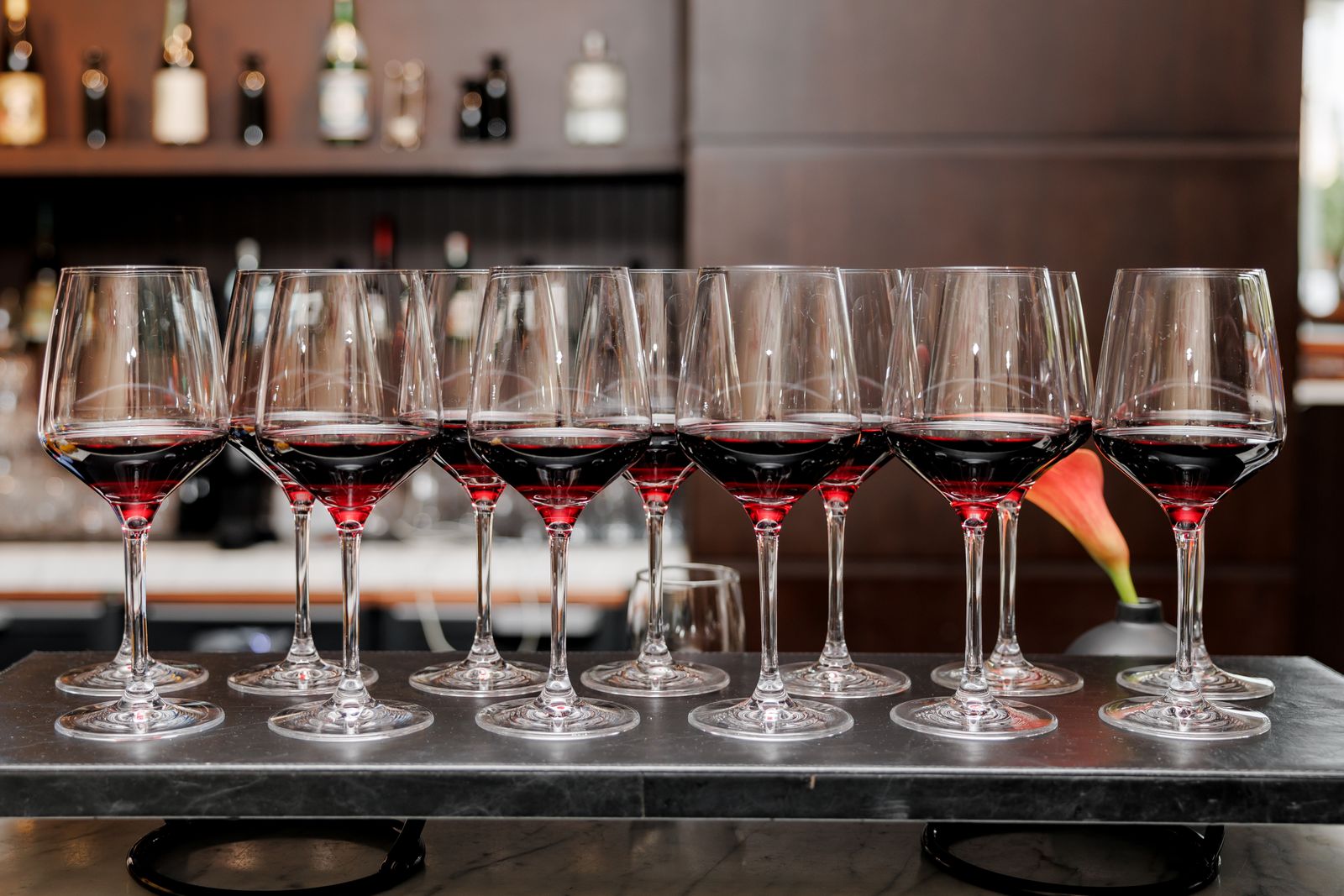
Wine fairs intimidate a lot of people who would otherwise enjoy them. The truth is most public wine fairs are built for exactly that kind of visitor, someone curious, not necessarily an expert, who wants to taste widely without committing to a bottle. The big trade fairs, the ones covered in wine trade press, are usually industry only, closed to the public and built around business meetings rather than casual tasting. Most countries also run public salons and city wine festivals that anyone can walk into with a ticket, and these are where a regular visitor gets the most out of a day.
Spitting is normal, and no one is judging you for it. There are buckets everywhere for a reason. Tasting forty wines in an afternoon only works if you spit most of them, and the people pouring expect it. Swallowing everything just means your palate gives out by the second hour.
Plan by region, not by booth
Wandering aisle by aisle sounds efficient but usually just means tasting whatever is closest. A better approach is to pick two or three regions you actually want to learn about that day and work through the producers pouring from them, side by side. That comparison, the same grape or region across five or six different hands, teaches you more in twenty minutes than an hour of random tasting.
Go early if you can. The first hour of a fair is quieter, the pourers have more time to talk, and your palate is fresh. By mid afternoon the crowds thicken and so does the noise, which makes it harder to actually taste anything.
Take notes, and take photos of labels. Memory is unreliable after the tenth glass, and a photo of the label next to a quick scribbled impression is worth far more later than trying to reconstruct which wine was which from a hazy afternoon. Even a single word, too oaky or buy this, is enough to jog your memory later.
Talk to whoever is pouring. At most public salons, that person is the winemaker, a family member, or someone who knows the estate well, not a hired promotional staffer. Ask what they are proud of that vintage, or what changed from last year. Most people behind the table would rather talk about the wine than just pour it, and a short conversation usually tells you more than the tasting note on the table card ever could.