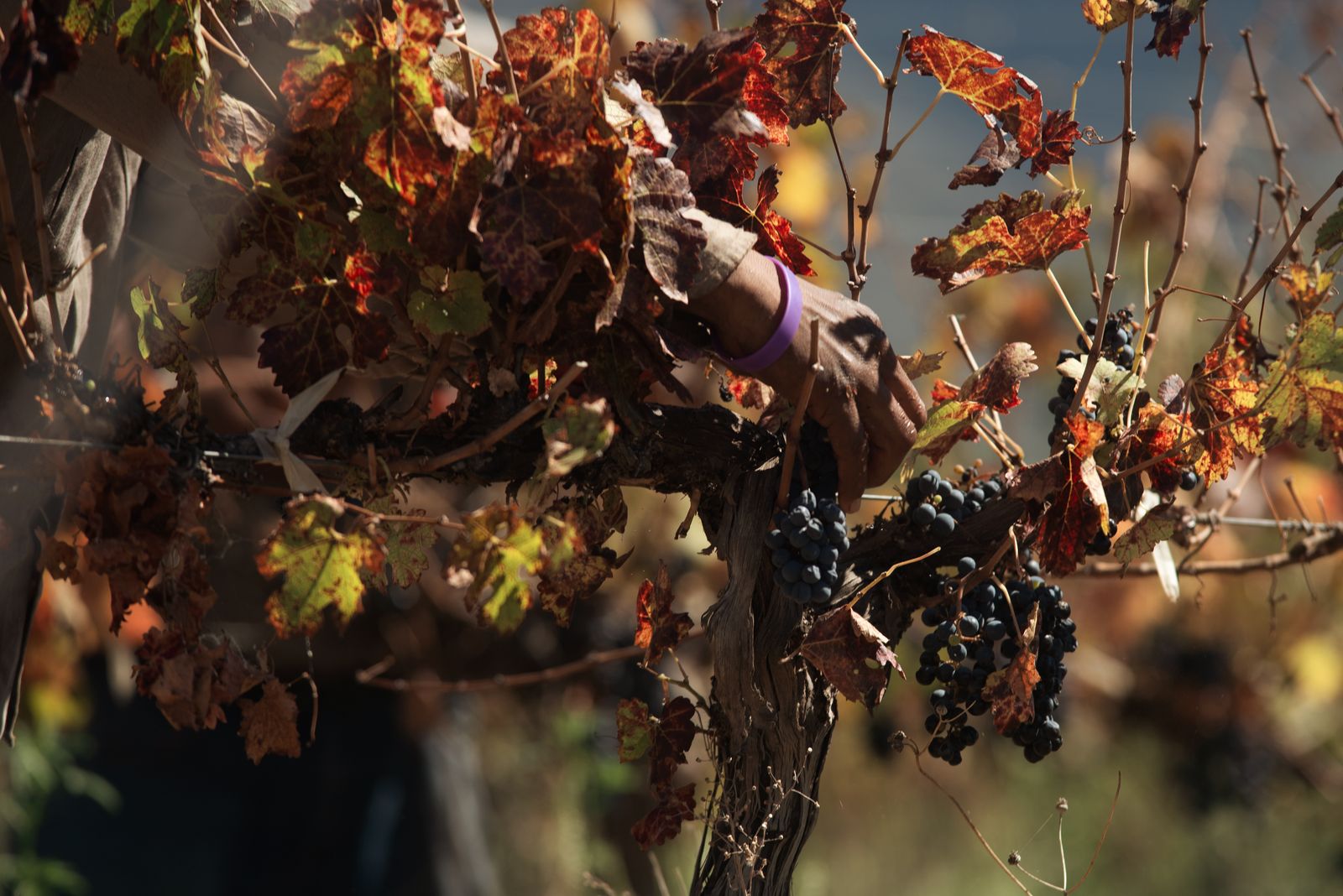
The first Old Vine Photography Competition has announced its winners, with photographers from Australia, Bolivia and Spain taking top honors, as first reported by The Drinks Business. The competition set out to do something wine writing rarely manages: put a face, or rather a trunk, on vines that have survived decades of frost, drought, disease and changing fashion.
Old vines don't get much attention compared to famous vineyards or vintages, but growers who work with them talk about them differently than they talk about anything else in the cellar. A vine planted sixty or eighty years ago has roots that go deep enough to find water when younger vines nearby are struggling. That depth matters more every year as growing regions get hotter and drier. Old vines tend to produce fewer grapes, but the fruit they do give often has more concentration, and the wine made from it carries a kind of continuity that a replanted block can't fake.
Why old vines matter beyond the photo
There's also a simple economic argument that gets lost in the romance. Ripping out an old vineyard and replanting costs money and loses a producer several years of full production while the new vines mature. Many growers keep old vines going not out of sentiment but because they still perform, and because losing that genetic material would mean losing plant stock that predates modern clonal selection. A handful of regions, Barossa in Australia among them, have built entire identities around protecting these vineyards, and competitions like this one are part of how that story reaches people who will never walk the rows themselves.
In a related note from the same week, Alessia Antinori began her term as president of Primum Familiae Vini (PFV), the association that brings together a small group of historic family owned wine producers from across Europe. PFV has long positioned itself around exactly the kind of long term thinking that old vine preservation represents: decisions made for the next generation of a family, not the next fiscal quarter. Antinori's family has been making wine in Tuscany for more than six centuries, so the appointment fits.
Together, the two stories point at the same idea from different angles. Wine's oldest vineyards and its oldest family houses are both reminders that some of the industry's most valuable assets can't be bought outright. They have to be inherited, tended and, occasionally, photographed.