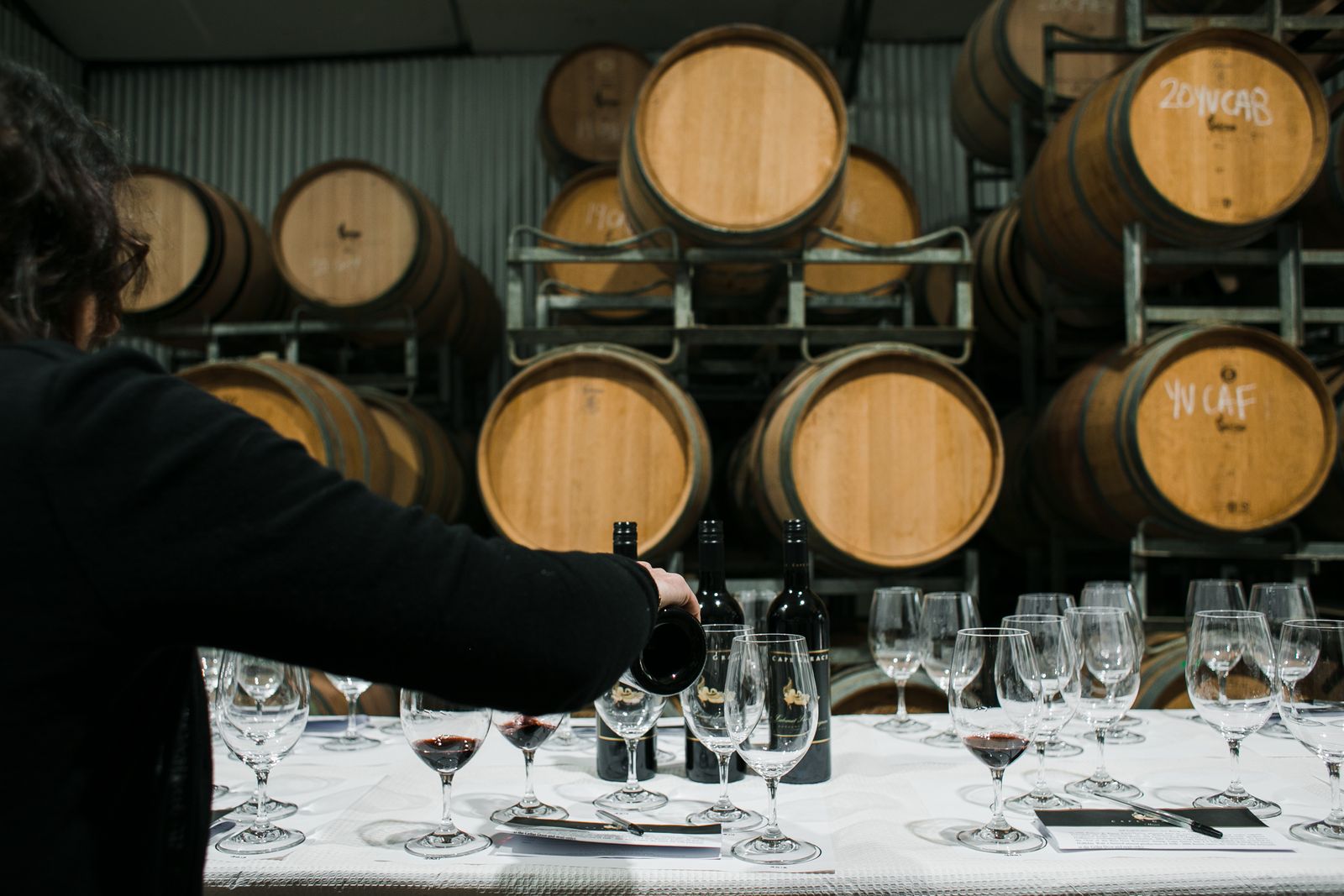
Once or twice a year, whole wine regions do something unusual: every winery opens its doors on the same weekend. No appointments, no reservations at most stops, just a printed map and a string of cellars ready to pour. These open cellar days exist across Europe under different names, and they are arguably the easiest way to meet a large number of winemakers in a single afternoon.
Moravia, in the Czech Republic, runs some of the best known open cellar weekends, when villages built around wine cellars invite visitors to walk street to street, glass in hand, tasting as they go. Austria has its own open cellar door days, often organized village by village in wine regions like Burgenland and Styria, where family estates that never advertise suddenly welcome anyone who walks in. Slovenia and Croatia hold similar open cellar weekends in their wine districts, and France has long had portes ouvertes weekends tied to specific appellations, when producers who normally sell only to trade or by appointment open up to the public.
How to actually do it
The format rewards a loose plan rather than a tight one.
- Designate a driver, or better, stay somewhere within walking distance. Many of these events are built around villages where cellars sit close together, and that is the whole point.
- Do not book anything in advance. Half the appeal is wandering into whichever door has a crowd outside it, or the one that does not.
- Follow the rhythm of other visitors. Locals who do this every year tend to know which cellars pour the best wine and which have the best snacks, so a little eavesdropping goes a long way.
- Carry cash. Small family producers running a folding table in their own courtyard are not always set up for cards.
- Eat as you go. Bread, cheese, and cured meats are usually on hand somewhere, and pacing yourself matters more on open cellar day than almost anywhere else.
What makes these weekends different from a wine fair is the setting. You are standing in someone's actual cellar or courtyard, often talking to the person who planted the vines outside. Prices tend to be fair, since producers are selling directly, and the mood is closer to a village fete than a trade show. Check regional tourism boards in late winter or early spring for that year's dates, since they shift slightly from year to year but almost always land in spring or early summer.