Every wine region has its own word for the same simple idea: a place where the person who made the wine pours it for you. Learn a handful of these terms and you can read a hand-painted sign in half a dozen languages without needing a translator.
New World doors
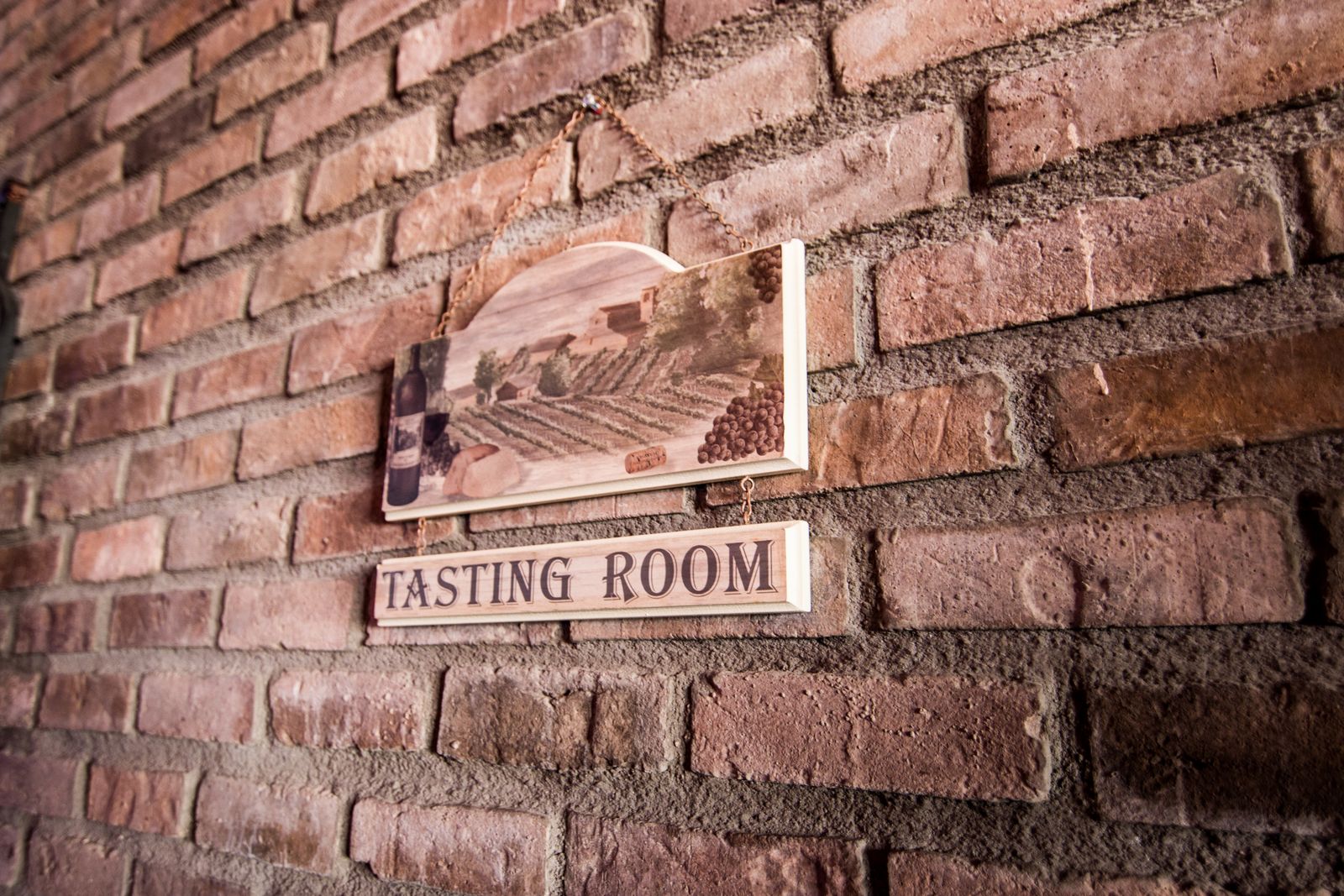
In Australia and New Zealand, it's simply the cellar door, a phrase that has become shorthand for driving out to a vineyard and tasting straight from the source. In the United States, the equivalent is the tasting room, usually a dedicated building with a bar, a list of flights, and staff pouring on rotation rather than the winemaker in person.
Old World doors
Cross into Europe and the vocabulary multiplies, though the idea stays the same:
- Weingut (Austria and Germany): a wine estate. Look nearby for a Buschenschank or Heuriger, a seasonal tavern where a winemaking family serves its own current vintage alongside simple cold food, often only for a few weeks a year.
- Quinta (Portugal): a country estate or farm, commonly used for the Douro Valley properties that grow port and table wine alike.
- Adega (Portugal): the cellar or winery building itself, sometimes also the tasting space attached to it.
- Bodega (Spain): covers everything from a small family cellar to a large commercial winery, plus the tasting room bolted onto either.
- Domaine and cave (France): a domaine is the estate and its vineyards; a cave is the cellar, often the actual room where you taste, sometimes cut into rock or chalk.
- Cantina and azienda agricola (Italy): a cantina is the winery or cellar, while azienda agricola signals a working farm that grows its own grapes rather than buying them in.
- Marani (Georgia): a traditional cellar built around buried qvevri, the clay vessels used for fermenting and aging wine for thousands of years.
- Pincészet (Hungary): the standard word for winery, seen on signs from Tokaj to Villány.
- Vinska klet (Slovenia): a wine cellar, used the way bodega or cantina is used elsewhere.
- Vinarija (Balkans): the common term across Croatia, Serbia, Bosnia and neighboring countries for a winery open to visitors.
None of these words describe a fundamentally different thing. A Weingut with a Heuriger, a quinta with an adega, a domaine with a cave, they're all a variation on the same arrangement: a door, a barrel or two, and someone who grew the grapes standing behind the counter. On World Winery Map, we tag entries with the local term used on site, so when you're planning a trip you can search by whichever word the region actually uses on its signage, not just the generic English one.